
Reduction vs Diversion

“Waste reduction” and “waste diversion” get used interchangeably all the time.
They sound similar. They show up in the same reports. And they both support sustainability goals.
But they’re not the same thing.
Understanding the difference and how they work together can help you lower costs, simplify operations, and build sustainability data that actually holds up when someone asks questions.
Let’s break it down.
Waste Reduction: Stopping Waste Before It Starts

Waste reduction (sometimes called source reduction) stops waste from being created in the first place.
It’s like preventing a leak versus mopping up water. Instead of asking, “How do we recycle this?” you ask, “Why are we generating this waste at all?”
That’s why the EPA ranks waste reduction at the top of its waste management hierarchy. The cleanest, cheapest waste is the waste you never have to manage.
What Waste Reduction Looks Like in Practice
Waste reduction usually shows up in three ways:
-
Design and purchasing decisions
Choosing reusable or durable alternatives, reducing packaging, or specifying bulk purchasing. For example, switching from bottled water to filtered refill stations can eliminate thousands of plastic bottles every year.
-

Process improvements
Operational changes that cut waste without changing behavior much. Digital workflows that replace printed documents are a classic example; Less paper in, less paper out.
-

Consumption changes
Simple, low-cost adjustments like reusable service ware, portion control to reduce food waste, or standardized supply lists that minimize over-purchasing.
Why reduction pays off
Waste reduction often delivers the fastest financial return because it avoids costs entirely. You buy less, handle less, and pay less to haul it away.
The tradeoff? It’s harder to measure.
You’re tracking what didn’t happen, which requires baselines, purchasing data, and some intentional measurements. That’s why reduction is often undervalued, even though it usually delivers the biggest long-term impact.
Waste Diversion: Managing What You Can’t Avoid
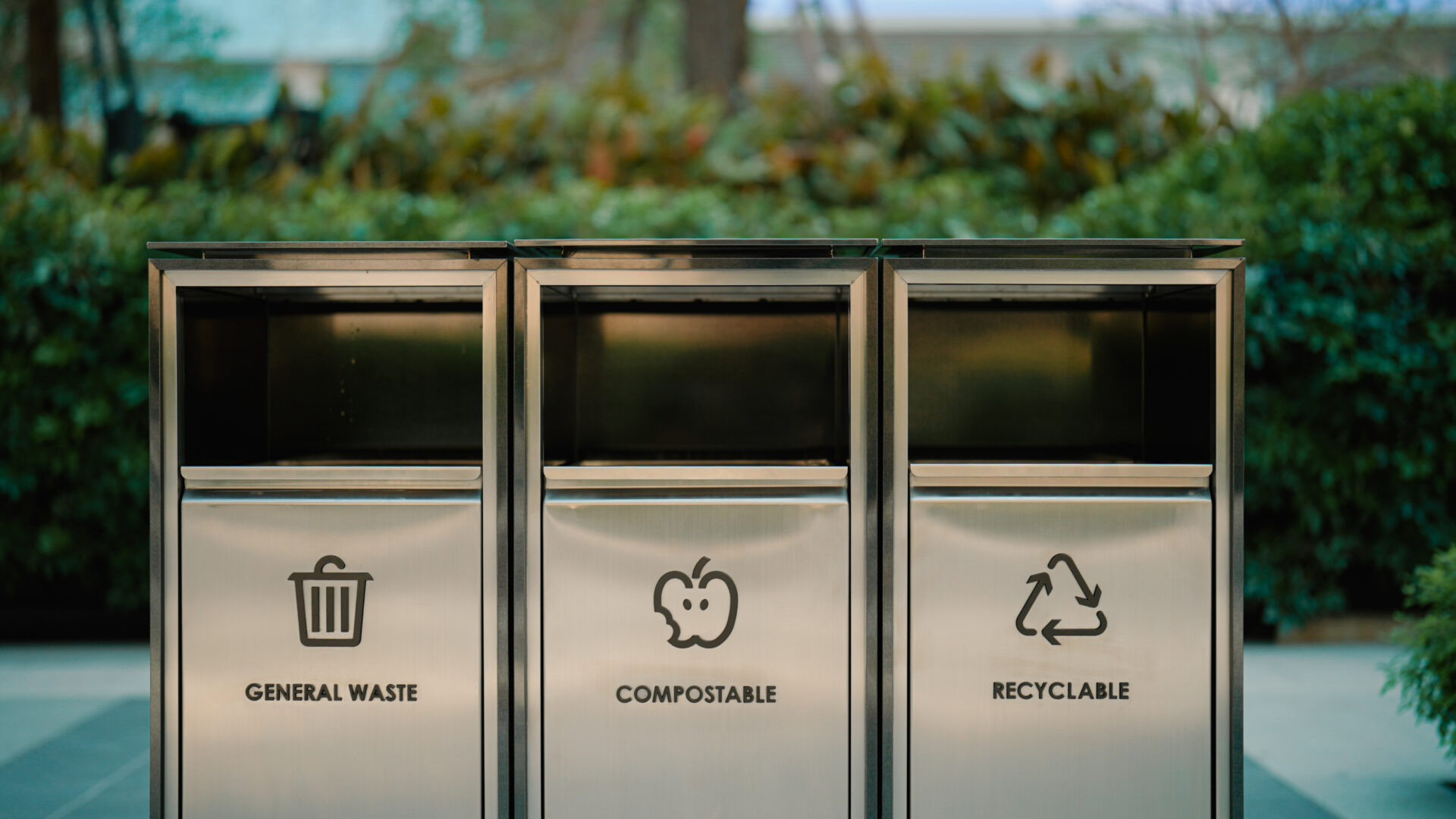
Waste diversion picks up where reduction leaves off.
Even the most efficient buildings still generate waste. Diversion focuses on keeping that remaining material out of landfills through recycling, composting, reuse, and other recovery methods.
Instead of prevention, diversion is about redirection.
Common Diversion Strategies
-
Recycling
Paper, cardboard, metals, and plastics are collected and turned into new products. Make sure items are clean and accepted locally to avoid contamination. Recycling works best when materials align with market demand.
-
Composting
Food scraps and organic waste processed through biological breakdown. Effective programs require clear separation, proper containers, and reliable processing partners.
-

Reuse
Finding ways to repurpose materials directly, often through donation or internal reuse programs.
-

Energy recovery
Specialized systems that convert waste into usable energy, usually in regulated or industrial settings.
The operational reality of diversion
Diversion programs introduce complexity. Multiple vendors. Different contamination rules. Different pickup schedules. More data to track.
When it’s managed well, diversion delivers strong environmental results and supports reporting goals. When it’s not, contamination fees and rejected loads can wipe out the benefits quickly.
How Reduction and Diversion Work Best Together
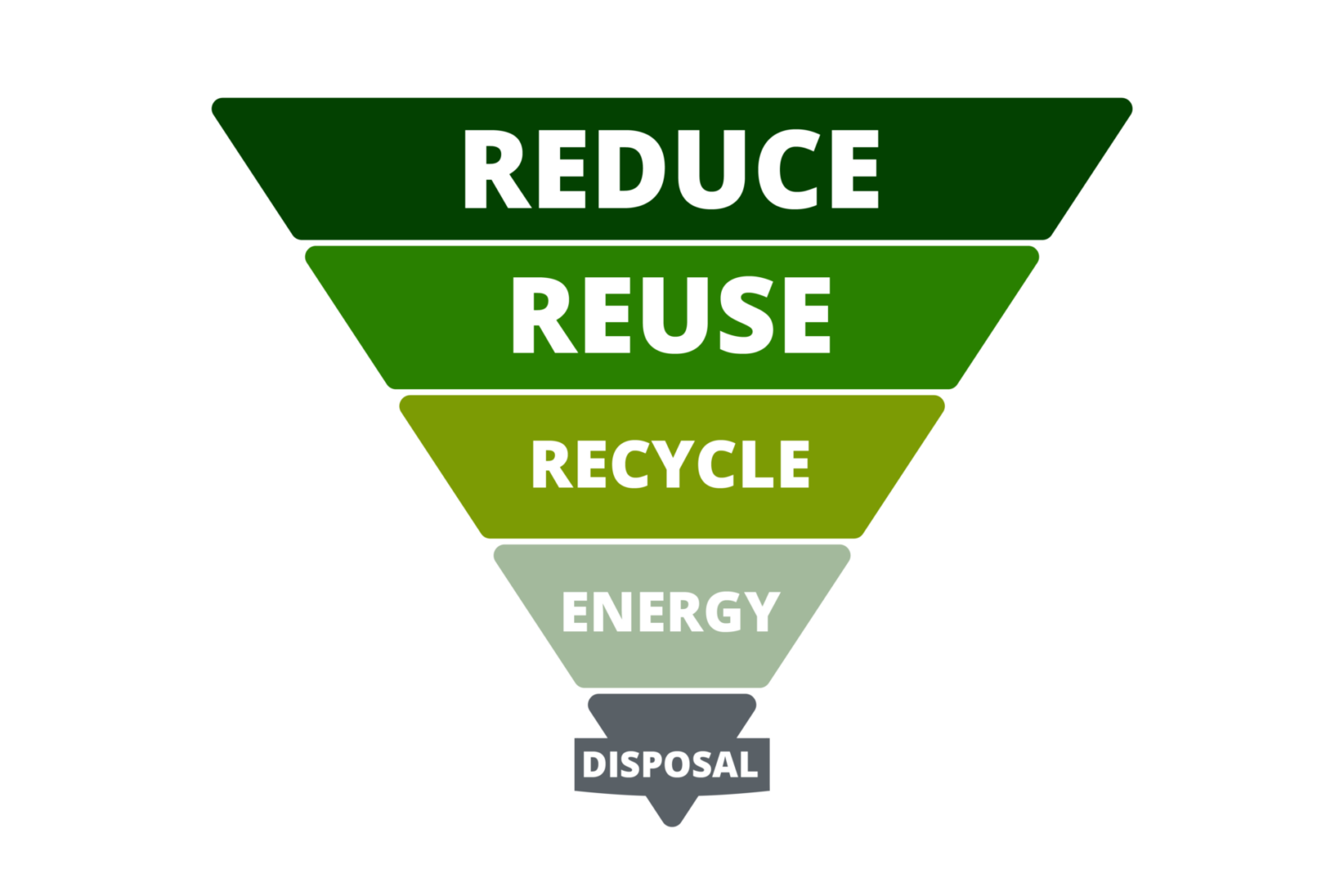
The strongest waste programs don’t choose one over the other. They use both strategically.
Reduction comes first. Diversion handles what’s left.
Facilities that consistently achieve high diversion rates usually aren’t just great at recycling. They’ve already reduced what doesn’t need to be there in the first place.
One strategy, different applications
Different facilities emphasize different levers:
Office buildings

lean heavily on digital workflows and reusable materials, paired with well-managed recycling and composting
Distribution centers

focus on packaging reduction with suppliers, then divert large-volume materials
Retail spaces

combine customer-facing reduction with operational diversion behind the scenes
The mix changes, but the principle stays the same.
What This Means for Costs, Reporting, and Risk
Cost control
Reduction typically delivers faster savings through avoided purchases and fewer hauling needs. Diversion may take longer to optimize but can stabilize costs over time when services are right-sized and contamination is under control.
Facilities with active vendor oversight often see 10–20% savings simply by aligning services with reality.
Sustainability reporting
LEED, GRESB, and ESG frameworks increasingly expect verified data, not estimates. Reduction and diversion both play a role, and both need to be tracked accurately to stand up to scrutiny.
Portfolio consistency
Multi-site programs add another layer of complexity. Different vendors, different rules, different local markets. Standardizing strategy while allowing local flexibility is possible, but it's rarely easy without structured oversight.
Risk reduction
Better waste programs reduce exposure to regulatory issues, vendor performance problems, and volatile disposal costs. It’s not always obvious on a spreadsheet, but it matters.
What It Takes to Implement Both Successfully
Strong programs usually include:
-
A comprehensive waste audit to understand where waste is coming from
-
Clear reduction priorities tied to purchasing and operations
-
Diversion programs designed around local acceptance rules
-
Training for staff, vendors, and janitorial teams
-
Ongoing measurement and adjustment, not set-it-and-forget-it systems
Sustaining these efforts takes time and coordination, especially across portfolios.
Getting Started: A Practical Approach
Start with reduction wins
because they’re often easier to implement and deliver immediate results:
- Switch to digital processes where paper workflows still exist
- Implement reusable materials policies for high-volume disposables
- Work with suppliers to reduce packaging waste at delivery
Then optimize diversion
by focusing on streams with the highest success potential:
- #1 and #2 plastics. These are widely accepted and highly valuable
- Clean cardboard and paper, another reliable market
- Organic waste if you have food service
Measure both differently
- Reduction: Track baseline consumption and monitor ongoing prevented waste
- Diversion: Focus on tonnage diverted and contamination rates
When Professional Help Makes Sense
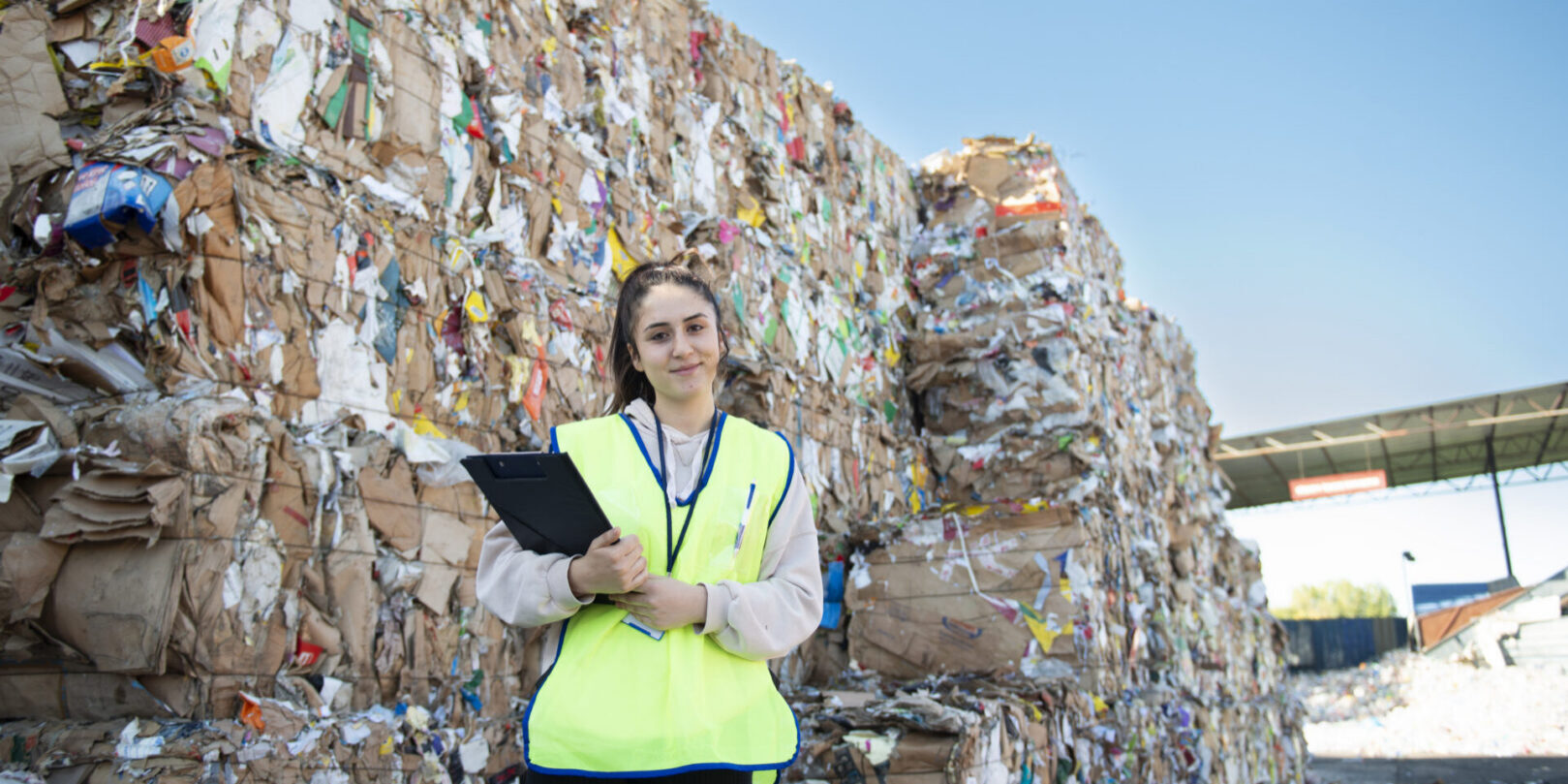
Reduction and diversion together create real value, but they’re not simple to manage. It often involves coordinating with multiple vendors and making sure your measurements are accurate.
Professional consulting makes sense when:
You’re managing multiple properties with different waste haulers

Sustainability reporting requires verified data meeting specific standards

Staff time on waste management exceeds 10% of their workweek

Contamination fees are becoming a recurring problem
Look for vendor-neutral consultants who don’t have financial relationships with haulers. This independence allows objective recommendations for both reduction strategies (which might reduce vendor revenue) and diversion optimization without conflicts of interest.
The Bottom Line
Waste reduction and waste diversion aren’t competing strategies. They’re complementary ones.
Reduction stops waste before it starts. Diversion manages what remains. Together, they create programs that lower costs, reduce risk, and support credible sustainability performance.