
What Does a Waste Consultant Do
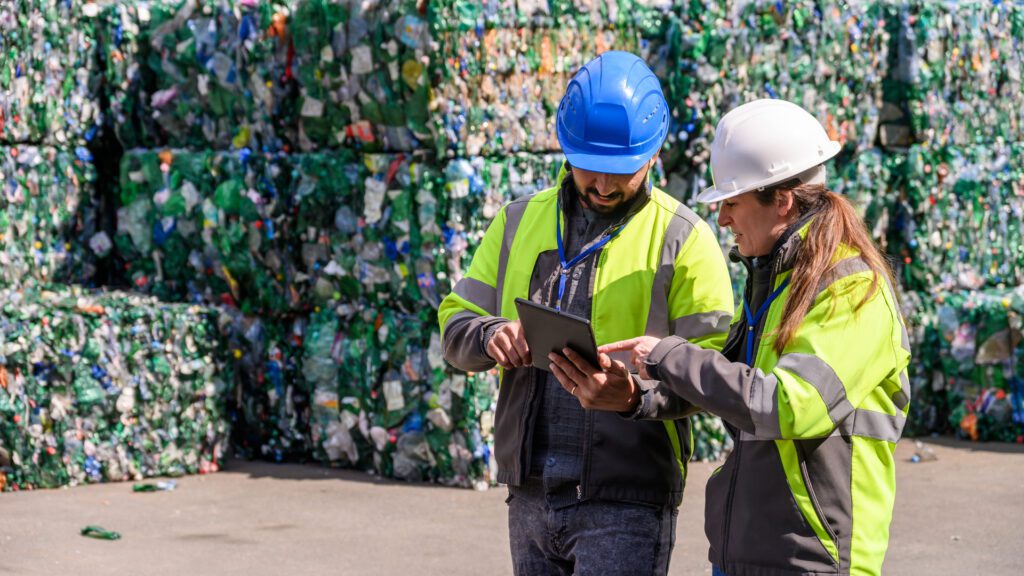
Managing waste across one building is hard enough. Managing it across multiple properties can quickly become overwhelming.
Costs creep up. Contamination keeps coming back. Billing never quite lines up. And when sustainability reporting season hits, everyone’s asking for data that’s difficult to verify.
Most hauling vendors aren’t built to solve those problems. They’re focused on pickup and disposal.
A waste management consultant fills the gap.
Think of them as the strategist behind the scenes. They make sure your waste program actually works the way it’s supposed to, long after the trucks leave the loading dock.
So, What is a Waste Management Consultant?
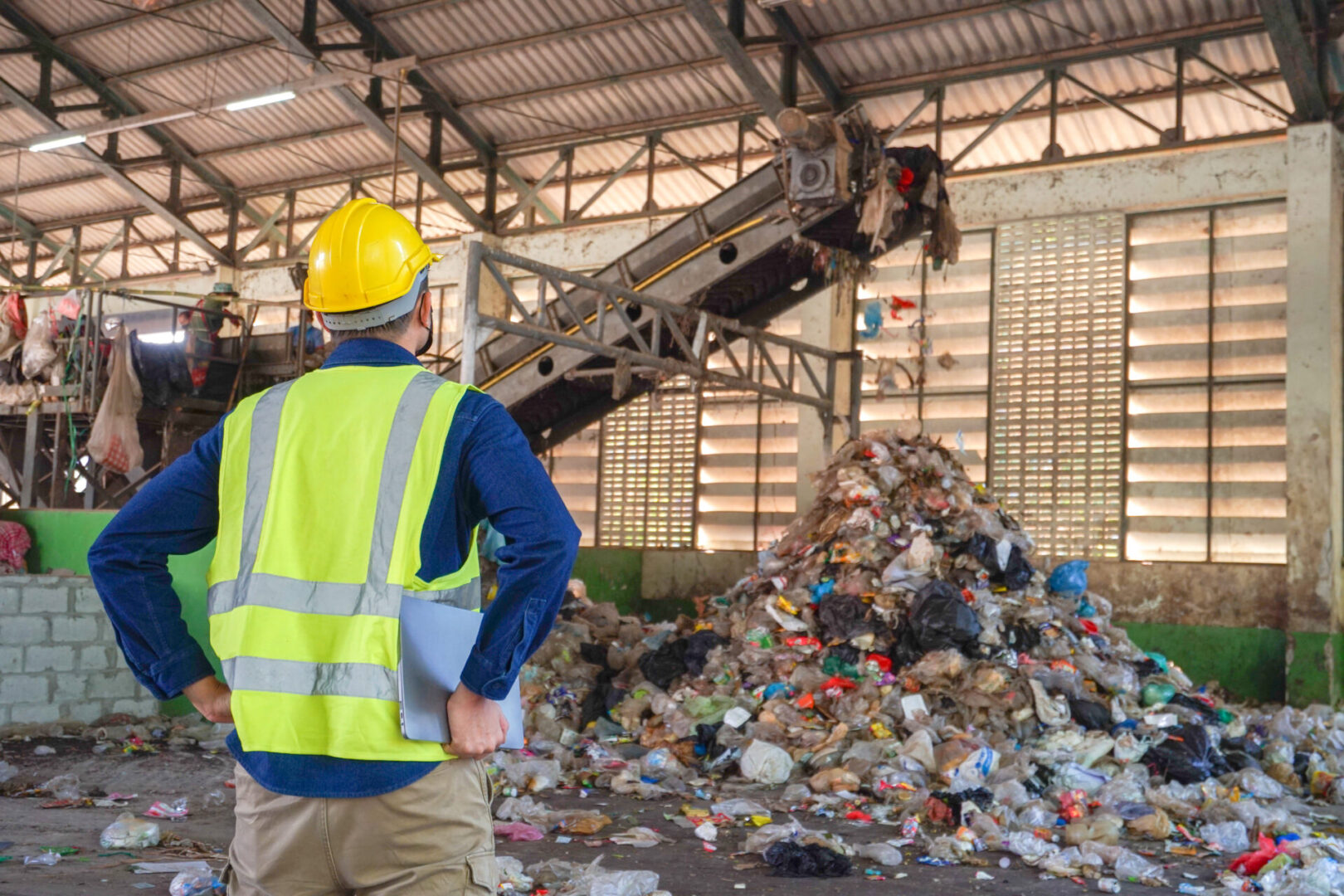
A waste management consultant is your strategic advisor who knows waste inside and out.
Unlike vendors, consultants don’t own trucks. They don’t sell pickups. They don’t earn commissions for steering you toward one provider or another. Their success is tied entirely to improving your outcomes. Lower costs. Cleaner streams. Better data. Fewer headaches. They work for you, not for haulers.
That independence matters.
It allows consultants to act as an extension of your team, focused on strategy instead of collection. They evaluate how your program is set up, how vendors are performing, and where things quietly go off the rails.
It’s also what separates consultants from brokers. A broker specializes in negotiating hauler contracts on your behalf, while a consultant reviews your entire waste program to identify savings, inefficiencies, and opportunities across all vendors and services.
What Waste Management Consultants Actually Do
A good consultant doesn’t just look at one piece of the puzzle. They look at how everything connects.
Here’s how that typically plays out.
Waste audits that show the full picture
A consultant’s first job is to understand what’s really being generated, not what invoices suggest.
This is done through a waste audit that examines:
- What materials are in each waste stream
- Where contamination is coming from
- How waste flows through the building
- Whether services match actual usage
- Where costs don’t line up with reality
This isn’t a quick walkthrough. It’s thorough detective work that replaces assumptions with a clear baseline of what’s actually happening.

Program design that fits your building
Based on audit findings, consultants design programs that work with your space and your people.
That means considering:
- Traffic patterns - Where people naturally dispose of waste
- Employee behavior - How different user groups actually behave
- Space constraints - What fits in your available areas
- Aesthetic requirements - What maintains your property’s appearance
- Operational realities - What your staff can realistically manage
The goal isn’t a textbook recycling program. It’s one that actually works for your building.

Vendor and contract support without bias
Because consultants aren’t tied to haulers, they can evaluate vendors objectively. They negotiate with your interests in mind and solve problems on your behalf.
They help with:
- Comparing service options across providers
- Negotiating contracts based on real usage
- Setting clear performance expectations
- Avoiding unnecessary services baked into agreements
Instead of reacting to vendor proposals, you’re choosing services intentionally.

Ongoing performance monitoring
The best programs aren’t just a one-time setup. They’re a committed partnership. Consultants provide ongoing oversight that includes tracking:
- Costs
- Diversion rates
- Contamination trends
- Vendor performance
- Billing accuracy
They also validate the data instead of just passing it along. That way, problems are caught early before they turn into budget surprises or reporting issues.

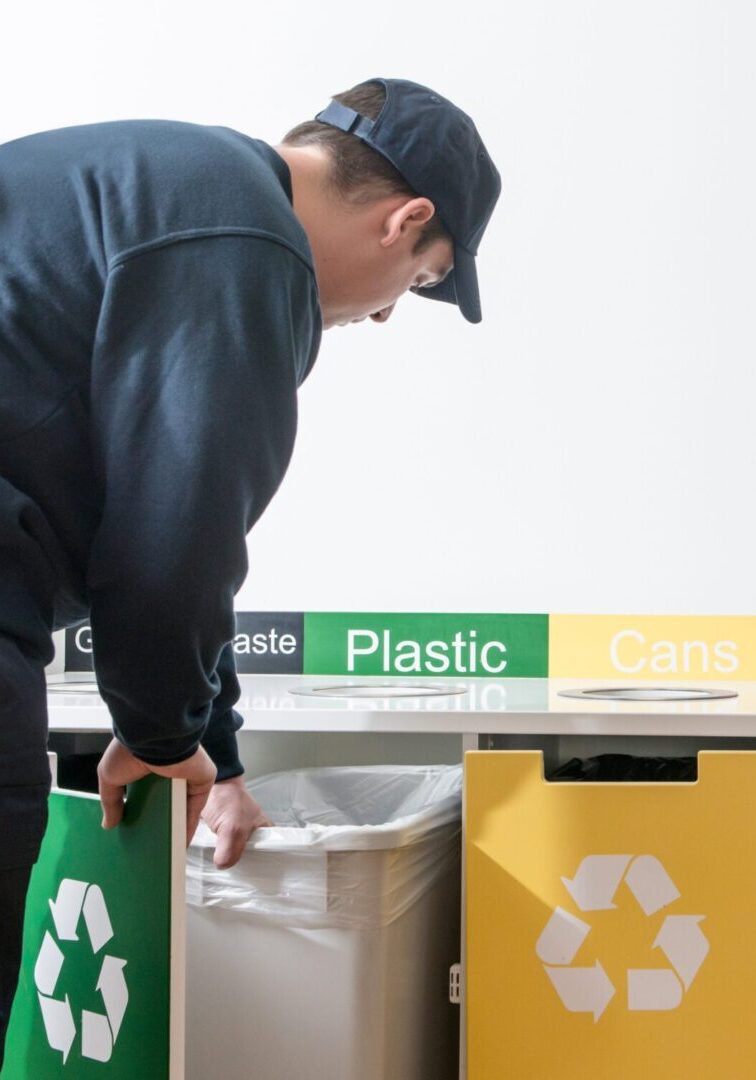
Tackling contamination
Contamination isn’t just a signage problem. It’s a system problem.
Consultants look at:
- Where contamination is happening
- Which materials are most often misplaced
- Whether infrastructure supports correct behavior
- How education and feedback can improve results
The fix usually combines better setup and better communication. Consultants design both.
Optimizing services without cutting corners
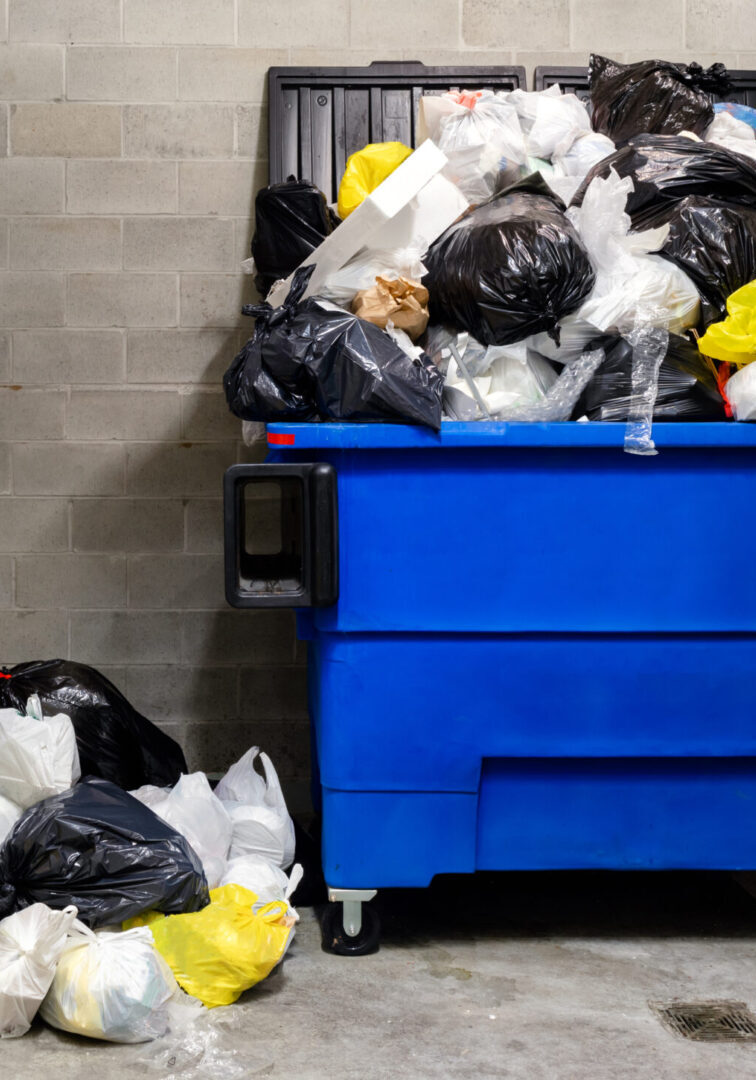
Many buildings pay for more service than they actually need.
Consultants use data to right-size:
- Container types and sizes
- Pickup frequency
- Service locations
- Specialty streams
The result is lower costs without sacrificing cleanliness or reliability.
Why Vendor-Neutral Independence Matters So Much

Vendor neutrality isn’t a buzzword. It’s the reason the whole model works.
Because consultants don’t benefit from higher hauling volumes or specific vendors, they can:
- Evaluate vendor performance objectively
- Challenge billing errors without conflicts of interest
- Recommend vendor changes when needed
- Negotiate aggressively on your behalf
It turns waste management from a vendor-driven transaction into a client-driven strategy.
Supporting Sustainability Goals with Data That Holds Up
Sustainability reporting only works if the data is credible.
Waste management consultants understand the specific requirements for different certification programs. They help generate verified metrics for:
LEED
documentation and diversion calculations
GRESB
portfolio-wide benchmarking
ESG
reporting for investors and stakeholders
Instead of relying solely on vendor-reported numbers, consultants validate data through audits, billing review, and ongoing tracking. This gives your data more credibility when auditors review your sustainability credentials.
When It Makes Sense to Bring in a Consultant

Organizations typically look for consulting support when:
- Multiple vendors create inconsistent service and data
- Billing discrepancies keep showing up
- Contamination won’t improve despite internal efforts
- Sustainability reporting requires verified metrics
- Internal teams don’t have time to manage waste effectively
If waste feels like a recurring problem that’s never quite solved, that’s usually the signal.
Choosing the Right Consultant
There are a few important things to look for when evaluating waste management consultants:
-

True vendor neutrality
Confirm the consultant doesn’t own hauling assets, earn commissions, or push preferred vendors. Otherwise, recommendations may quietly serve their revenue instead of your results.
-

Experience with commercial and portfolio-level programs
Look for experience across different building types and multi-site portfolios so solutions scale cleanly instead of creating new issues at the next property.
-
A data-driven approach
A consultant should be able to clearly explain how data is collected and validated. If they can’t, their numbers probably won’t hold up for reporting or cost decisions.
-

Willingness to understand your operations first
The best consultants spend time learning how your building actually works before offering solutions, rather than dropping in a one-size-fits-all program.
The Bottom Line
Waste management consulting isn’t about finding perfect vendors. It’s about making your entire waste program work better for you.
With independent oversight, validated data, and strategic vendor management, a consultant will help you transform waste from a blind spot to a managed system that supports cost control, sustainability goals, and operational clarity. That’s why the most successful organizations treat consulting as a long-term partnership, not a one-time fix.
Vendor-neutral independence changes everything. It drives how decisions get made, how vendors perform, and how problems get solved. Most importantly, it means that your priorities will always come first.