
What is a Waste Audit

Think of a waste audit as turning the lights on in a room that’s been dim for too long.
For most property and facilities teams, waste is one of the biggest controllable operating costs, yet it’s also one of the hardest to truly see. Costs quietly stack up through oversized containers, extra pickups you don’t need, contamination fees, and billing errors that blend into the background. Before long, you’re paying more without realizing why.
Meanwhile, sustainability teams are being asked for better and better data. LEED, GRESB, ESG reporting, all of them want numbers that are accurate, consistent, and defensible. The challenge is that many haulers can’t always provide that level of verification.
That’s where a waste audit steps in. It bridges both worlds. It brings clarity to your costs and credibility to your sustainability data.
So, What Exactly Is a Waste Audit?
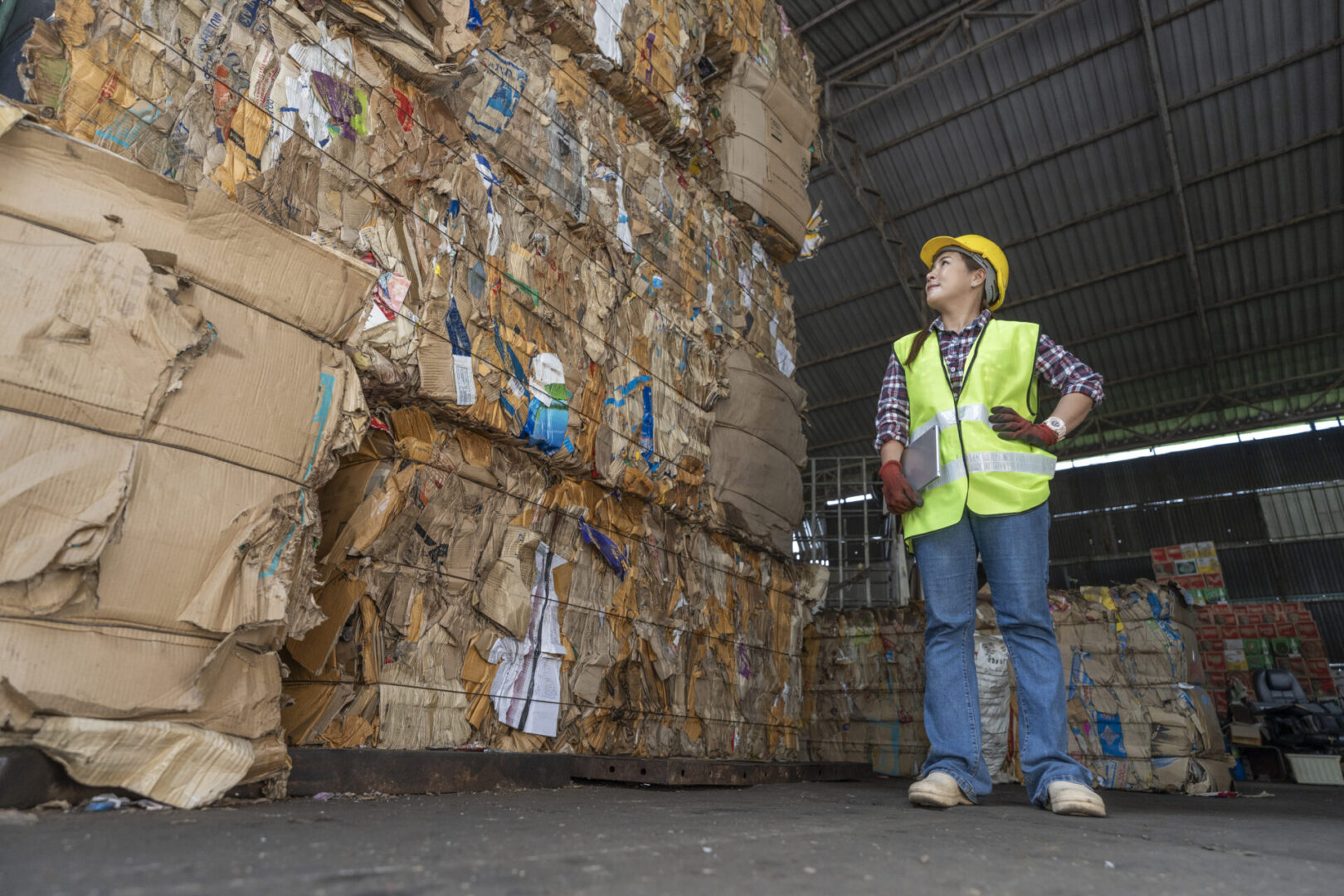
A waste audit is a structured way of understanding what’s actually being thrown away in your building. Not what you think is happening. Not what the invoice suggests. What’s truly happening.
It looks at things like:
In other words, it goes far beyond counting bins or skimming invoices. It shows you the real story behind your waste operations.
The goal is simple: replace assumptions with data so decisions can be made with confidence.
Why Waste Audits Matter
1. Real cost visibility you can act on

Industry estimates show that roughly 9 to 10 percent of waste invoices contain billing errors. That’s not small change. Add in mismatched service levels and recyclable materials being hauled as trash, and most buildings are leaking money without knowing it.
A waste audit finds those gaps. It shows you:
- Where you’re overpaying
- Where service levels don’t match actual usage
- Where recycling is accidentally becoming landfill
Many audits uncover savings that quickly reach into the thousands per year. Sometimes more.
2. A strong foundation for compliance and reporting
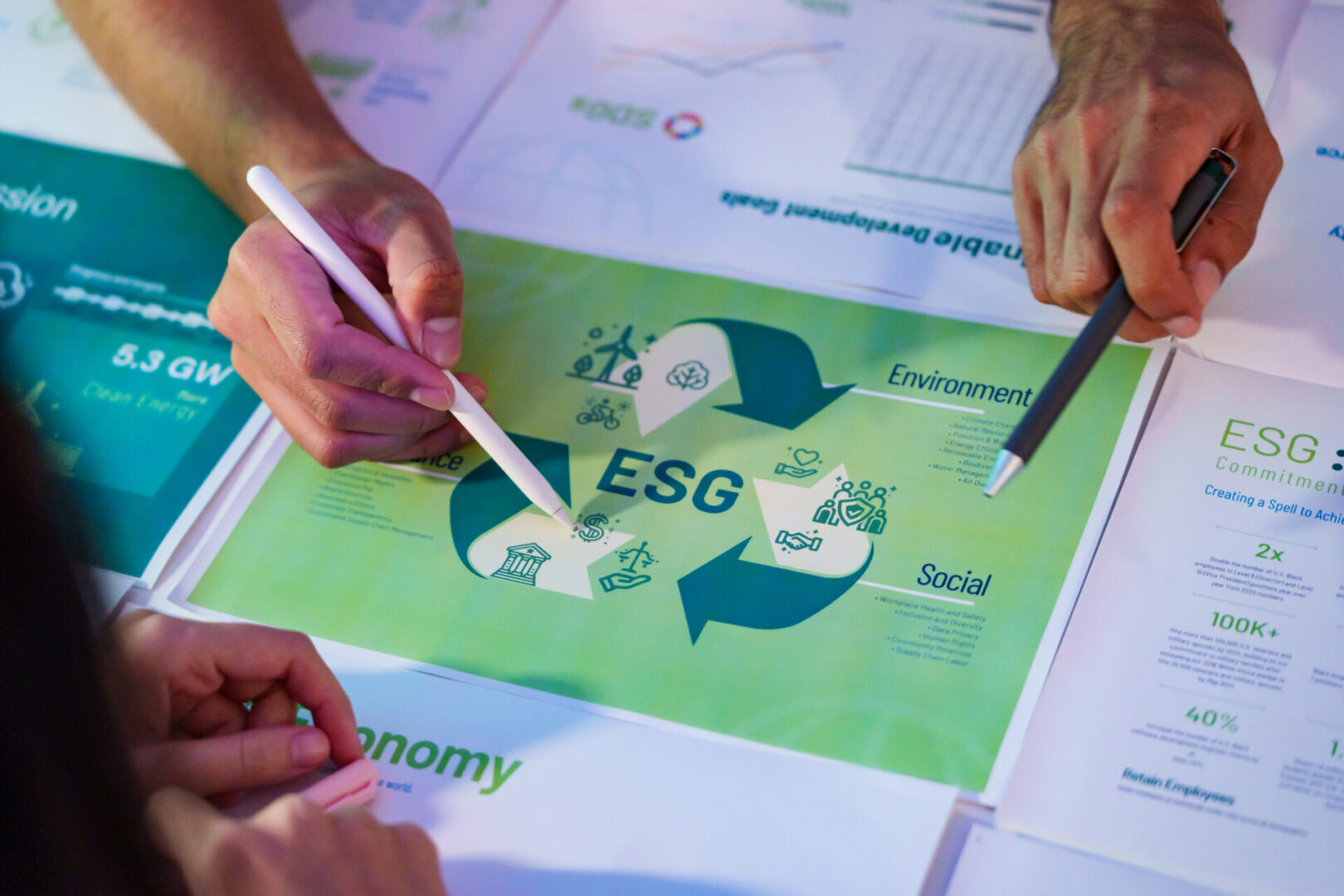
Sustainability reporting only works if the data holds up. A waste audit creates verified metrics that support:
- LEED diversion calculations and documentation
- GRESB benchmarking across portfolios
- ESG reporting that investors can trust
Instead of relying solely on vendor-provided numbers, you get independent, audit-ready data. That’s the difference between “reported” and “defensible.”
3. Early detection of contamination problems
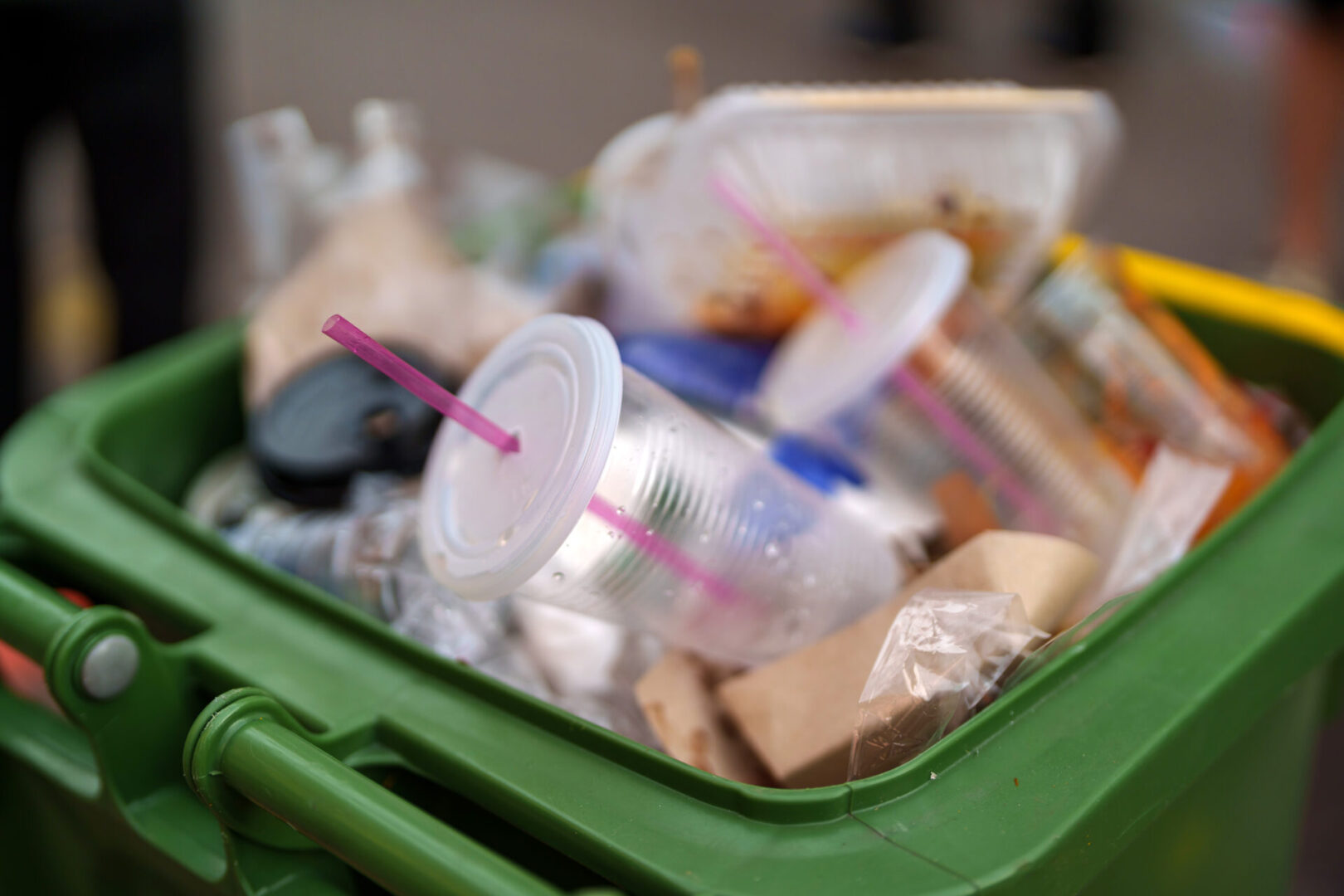
Contamination is expensive. It leads to rejected loads, higher hauling costs, and lost diversion credits. Worse, it often grows quietly until penalties start hitting.
A waste audit spots contamination patterns early. You see:
- Which areas are struggling
- What materials are being misplaced
- Where training or signage needs improvement
Fixing it early keeps costs down and protects your diversion goals.
What This Means for Property and Facilities Teams
Whether you manage a single building or a portfolio of them, a waste audit provides concrete data to guide your day-to-day decision-making.
Instead of relying on gut checks or vendor summaries, you get a clear picture of what’s actually happening behind the scenes. And that clarity unlocks a few very practical benefits.
Clear, actionable cost control
Most waste savings don’t come from sweeping changes. They come from small corrections made with good information.
A waste audit often reveals opportunities like:

Containers that are consistently half-empty or constantly overflowing
Pickup schedules that no longer match what the building needs

Recyclable or compostable materials being hauled as trash

Billing errors that repeat month after month because no one catches them
Individually, these issues can feel minor. Together, they quietly inflate costs. An audit helps you spot them and fix them before they become “just part of the budget.”
Less guesswork with vendors
Waste vendor conversations can be tough when everyone is working from different assumptions.
Audit data changes that. It gives you:

A baseline for what your building actually generates
A way to compare contracted services to real usage

Data to support service changes or contract discussions
Instead of debating opinions, you’re working from shared facts. That tends to lower friction and lead to better outcomes on both sides.
Reduced operational and reporting risk
Documented waste data doesn’t just help you today. It also protects you later.
With an audit in hand:

Sustainability reporting is backed by verified numbers

Compliance questions are easier to answer
Turnover doesn’t erase institutional knowledge
Portfolio-level comparisons become possible
It’s the difference between scrambling for data and having it ready when someone asks.
How a Waste Audit Actually Works
If the idea of a waste audit sounds disruptive, it usually isn’t. A well-run audit is designed to fit into normal building operations, not derail them.
Here’s what the process typically looks like.
1. Planning with purpose
Before anything happens on site, goals are clarified. Maybe the priority is cost reduction. Maybe it’s LEED or ESG reporting. Often, it’s both.
Stakeholders including property teams, janitorial staff, operations, and sometimes tenants are looped in early to ensure the data reflects reality, not assumptions.
2.
2. On-site assessment
Auditors look at waste where it’s generated, across:
- Trash, recycling, organics, and specialty streams
- Different floors, departments, or functional areas
- Representative days and operating conditions
This may include visual inspections, sampling, and contamination checks. The goal isn’t to catch anyone doing something wrong. It’s to understand patterns.
3. Turning data into insight
Raw observations are only useful once they’re translated into answers, such as:
- Are current service levels aligned with actual usage?
- Where is contamination coming from?
- Which materials drive disposal costs?
- How do real conditions compare to what’s being billed?
This is where the audit starts paying dividends.
4. A practical roadmap
Good audits don’t just list problems. They prioritize solutions.
Recommendations are typically grouped into:
- Quick wins (container changes, signage, service adjustments)
- Mid-term improvements (expanded recycling, training, tenant education)
- Long-term strategy (program redesign or standardization across sites)
Nothing theoretical. Just steps you can actually take.
5. Ongoing monitoring
The biggest gains often come after the audit. Tracking diversion, contamination, costs, and vendor performance over time helps ensure improvements stick and become habit.
Why Vendor-Neutral Audits Make a Difference

Not all waste audits are created equal.
Some assessments are offered “for free” but are tied to selling hauling services. That can influence recommendations, even subtly.
Vendor-neutral audits work differently. Because the auditor isn’t selling pickups or containers, you get:
- Objective, client-first recommendations
- Independent validation of waste data
- Credible documentation for LEED, GRESB, and ESG
- Consistency across buildings and portfolios
That independence is especially valuable for organizations managing multiple sites, where transparency and comparability really matter.
Turning a Waste Audit into Long-Term Results

A waste audit isn’t the finish line. It’s the moment you stop guessing.
When audit findings are used as the foundation for ongoing oversight, waste programs become easier to manage. Over time, that leads to:
- Lower and more predictable costs
- Fewer contamination surprises
- Stronger, defensible sustainability reporting
- Less time spent reacting to vendor issues
As expectations around data, compliance, and transparency continue to rise, buildings with validated waste data gain a real operational advantage.
The Bottom Line
Every building generates waste. But most buildings don’t truly understand their waste. That gap represents both a cost and an opportunity.
A waste audit turns on the lights so you can see what’s really happening. From there, you can make informed decisions about vendors, programs, and strategies based on data rather than assumptions.