
Plastic Recycling Numbers
Running a commercial recycling program shouldn’t feel like solving a riddle every week. But for many property managers, it does.
Bins fill up fast. Contamination warnings show up on invoices. Loads get rejected. And when it’s time to report on sustainability performance, the data feels shaky at best.
A big reason? Confusion around plastic recycling numbers.
Those little triangles with numbers inside look official, but they’re not a green light for recycling. They’re identification codes—and misunderstanding them can quietly drive up costs and contamination.
Once you know what those numbers actually mean, recycling gets a lot simpler—and a lot cheaper.
Decoding Plastic Recycling Numbers (Without the Jargon)
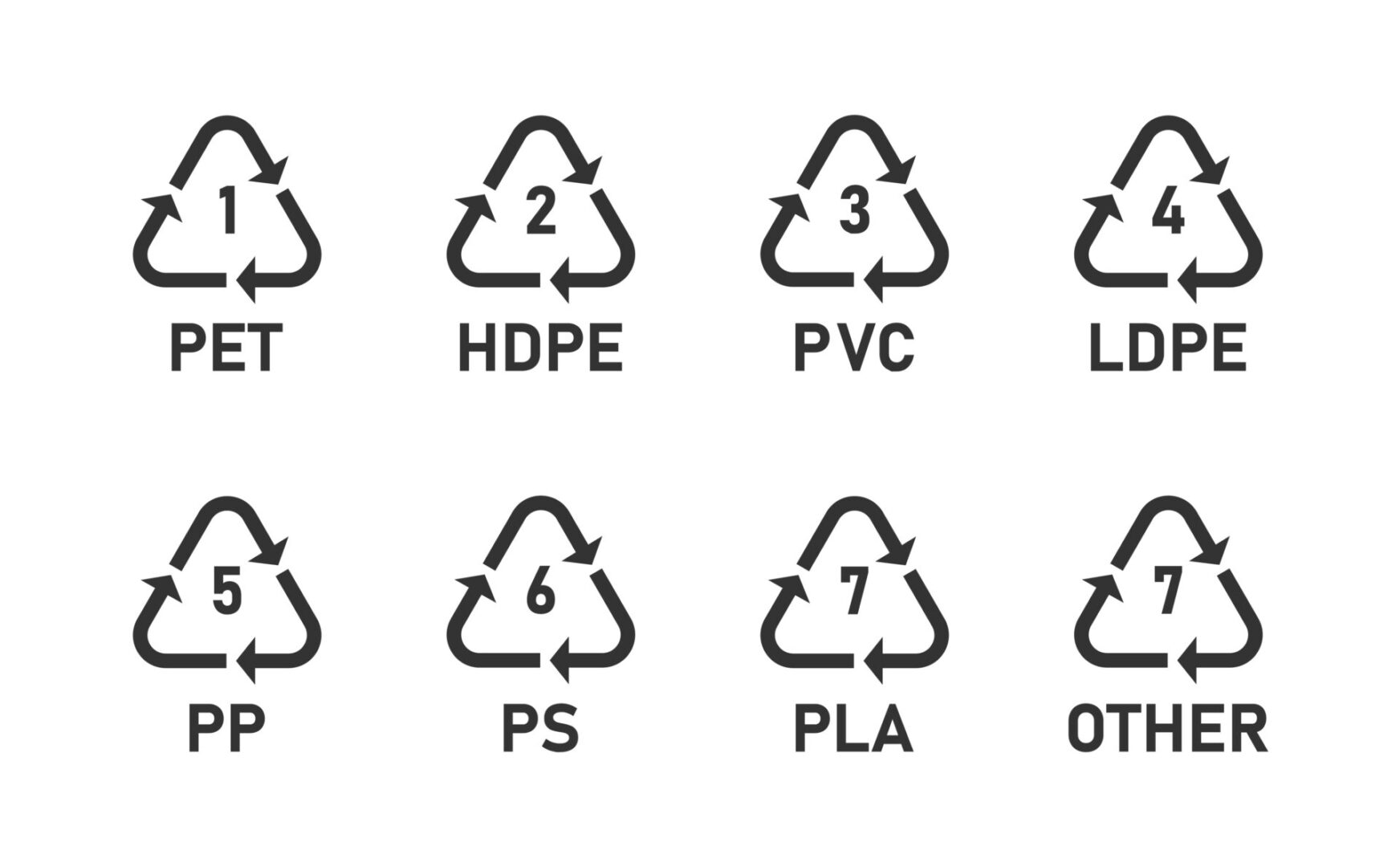
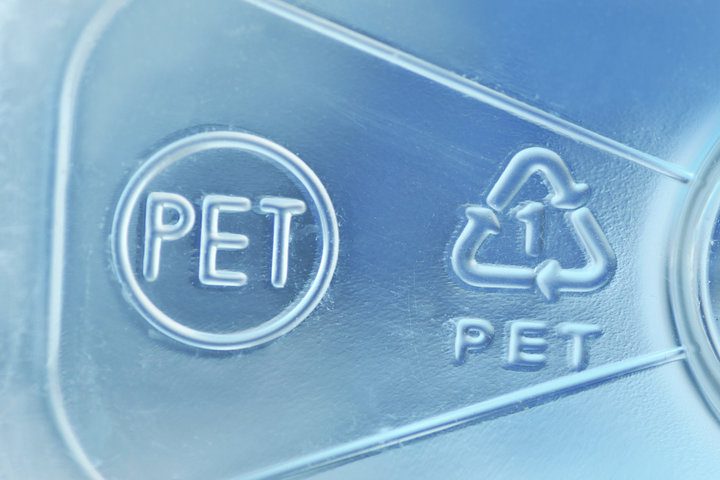
Those numbered triangles are called Resin Identification Codes, or RICs. They were created to identify plastic types, not to guarantee recyclability.
Think of them like ingredient labels. They tell you what the item is made of, not whether your local recycling system can handle it.
Here’s how the numbers usually break down in commercial settings.
-
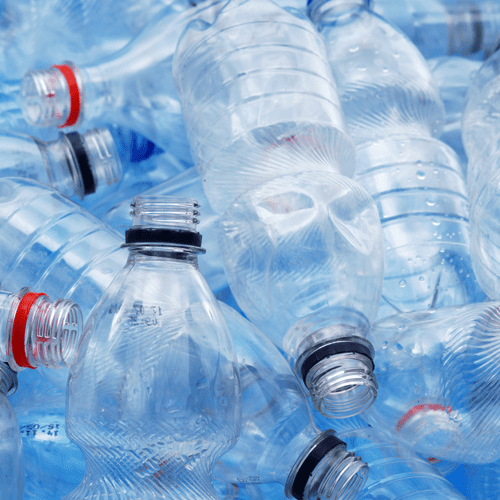
#1 PET: Polyethylene Terephthalate
• Water bottles, soda bottles, food containers
• High market value, becomes new bottles and clothing
• Widely accepted by most recycling programs
• Your best bet for successful recycling -

#2 HDPE: High-Density Polyethylene
• Milk jugs, detergent bottles, shampoo containers
• Becomes new bottles, plastic lumber, playground equipment
• Almost universally accepted and valuable
• Another safe choice for your recycling program -

#3 PVC: Polyvinyl Chloride
• Pipes, some packaging, older food containers
• Rarely accepted due to toxic chemicals when processed
• Can contaminate entire loads
• Should usually be kept out of recycling -
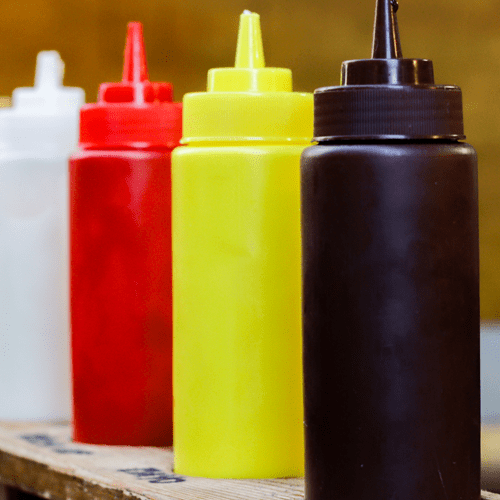
#4 LDPE: Low-Density Polyethylene
• Plastic bags, squeeze bottles, some food containers
• Can cause problems in sorting equipment
• Acceptance varies dramatically by location
• Check with your specific hauler -

#5 PP: Polypropylene
• Yogurt containers, bottle caps, straws
• Growing acceptance but still inconsistent
• Some facilities love it, others reject it
• Another “check first” category -
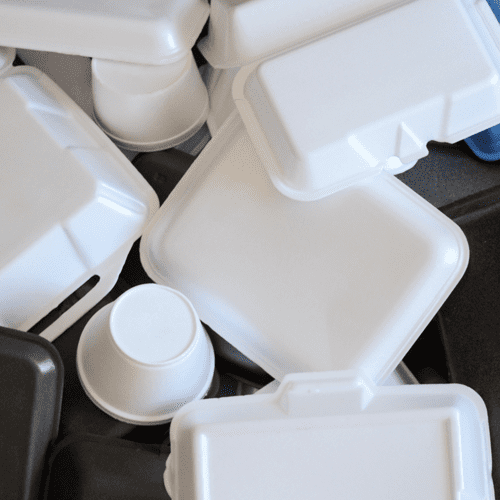
#6 PS: Polystyrene
• Styrofoam cups, takeout containers, plates
• Breaks apart and contaminates other materials
• Usually requires special drop-off or pick-up service
• Rarely accepted in standard recycling -

#7 Other
• Everything else, including compostable plastics
• Acceptance depends on what’s actually in there
• Often too complex for standard facilities to handle
• Usually not recyclable in commercial programs
So… Which Plastics Are Actually Recyclable?
Here’s a breakdown of what usually is (and is not) accepted.
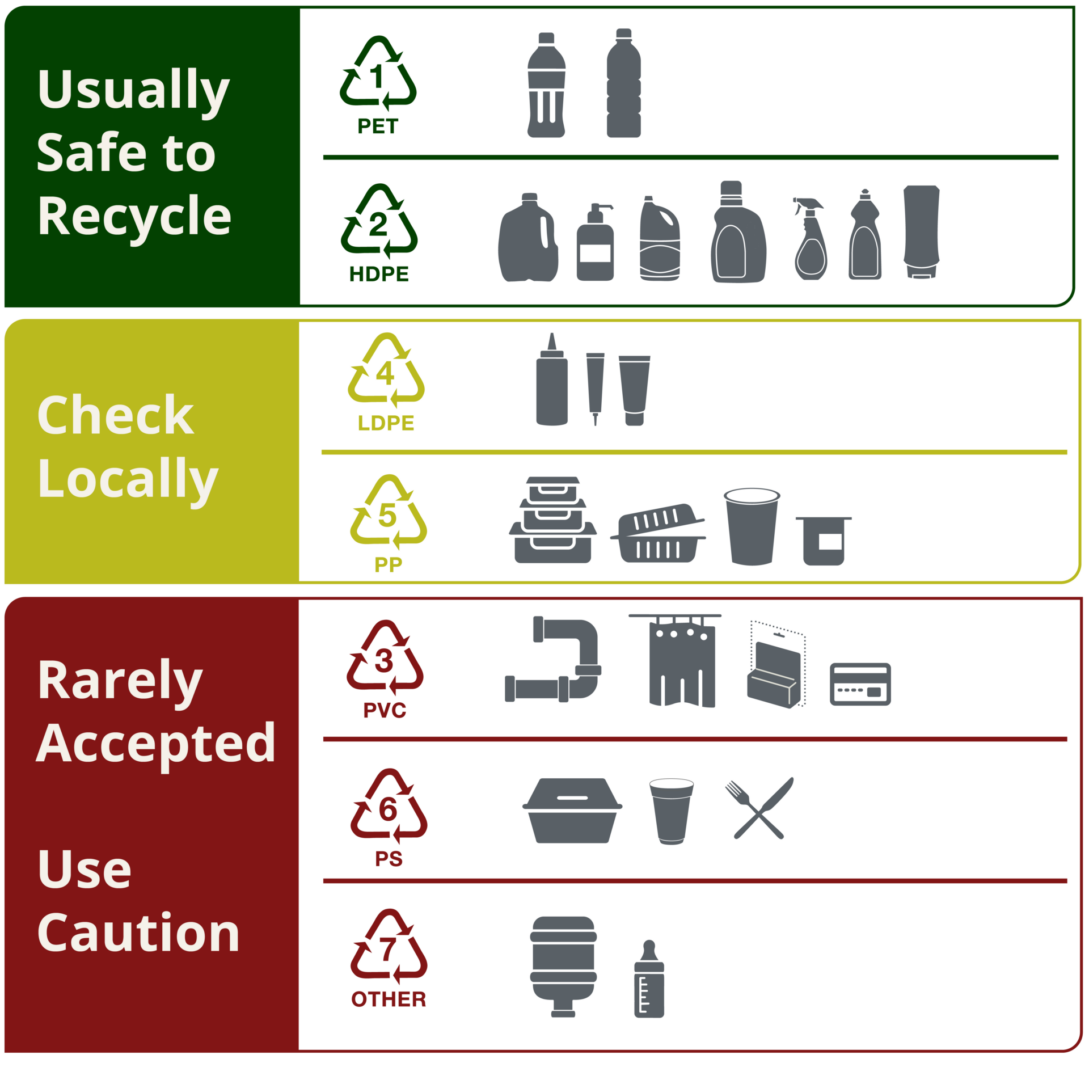
Focus on:
- PET (#1)
- HDPE (#2)
These two materials are accepted almost everywhere and deliver the most value with the least risk.
Check locally:
- LDPE (#4)
- PP (#5)
Acceptance varies by region and processing facility, so vendor guidelines matter more than the number itself.
Use Caution with:
- PVC (#3)
- Polystyrene (#6)
- Other (#7)
These items usually aren't accepted or require special guidelines to process. Including them in your standard recycling bins can lead to contamination fees or rejected loads.
One more thing: commercial recycling rules are usually stricter than residential ones. What tenants recycle at home isn’t always accepted at work.
Why This Matters for Day-to-Day Operations
Contamination Gets Expensive—Fast
One contaminated load can trigger fines, rejected service, or higher disposal costs. Over time, those fees add up quietly, especially across large buildings or portfolios.
Knowing which plastics to prioritize reduces that risk dramatically.
Tenant Education Is Already Hard
Multi-tenant properties deal with turnover, language barriers, and varying habits. The simpler your rules, the better compliance tends to be.
Focusing education on a small set of “always OK” items is far more effective than trying to explain every plastic number.
Space Is Limited
Recycling rooms, loading docks, and trash enclosures aren’t infinite. When you prioritize widely accepted materials, you can design leaner, more efficient setups that are easier to maintain.
Reporting Gets Easier
LEED, ESG, and internal sustainability reporting all depend on clean data. Lower contamination means more reliable diversion numbers and fewer awkward conversations later.
Special Cases to Watch Out For
Certain plastic products are almost never accepted in standard recycling programs, regardless of what material they are made of. A few common examples include:
-

Plastic bags
These jam machinery and cause expensive downtime at processing facilities. Those costs often come back as penalties, so keep these out of your office recycling bin. Instead, check with your local grocery store. Many have special programs to accept clean plastic bags.
-

Black plastic
Optical sorting equipment struggles to identify dark plastics, which means even recyclable materials can end up rejected. Check with your hauler before putting these in recycling.
-

Small Items
Items such as straws and plastic utensils are too small for sorting equipment to capture and almost always end up as landfill. These should usually go in the trash, regardless of what plastic they're made of.
Tips For a Better Plastic Recycling
A few small changes can make a big difference in your waste program.
Use clear, consistent signage
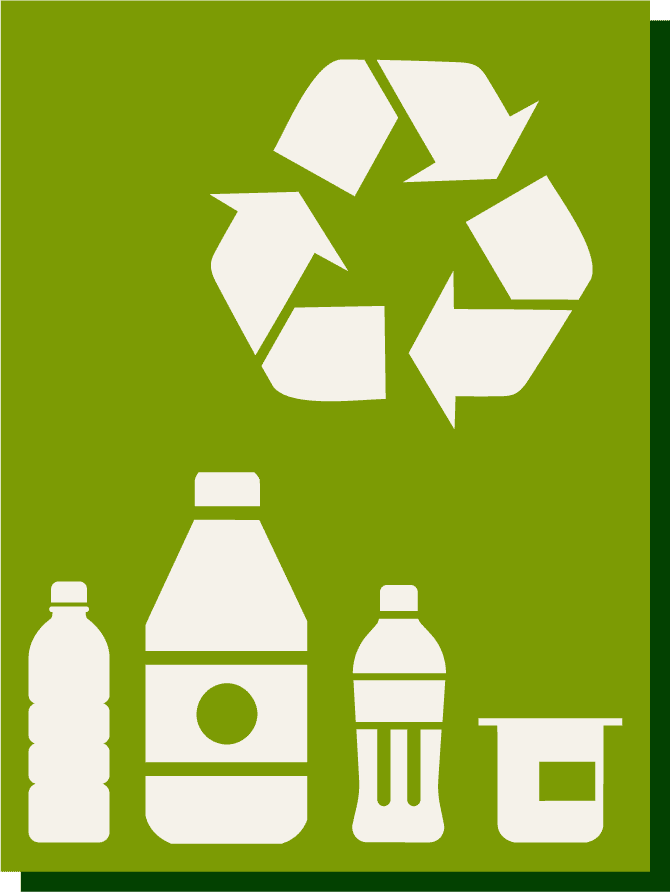
Consistent signage with pictures of what items your program accepts will help reduce confusion at the bin.
Train more than just tenants

Janitorial and maintenance teams are the first line of defense. Make sure they know what's acceptable.
Know your hauler's policies
Communicate with your hauler about what they actually accept and update this information annually.
When Professional Help Makes Sense

Managing recycling across properties, vendors, and reporting frameworks gets complex quickly. Different markets have different capabilities. Vendor requirements change. Contamination issues require ongoing attention.
Professional consulting makes sense when:
-

You’re managing multiple buildings with different waste haulers
-

Contamination fees are becoming a recurring problem
-
Sustainability reporting requires verified diversion data
-
Staff time on waste management is consuming significant resources
-

You need portfolio-wide consistency with site-specific flexibility
Look for vendor-neutral consultants who don’t have financial relationships with specific haulers. This independence allows objective recommendations and aggressive contamination reduction without conflicts of interest.
The Bottom Line
Plastic recycling numbers tell you what something is made from, not where it should go. Your local waste management company’s guidelines trump the numbers every time.
When property teams focus on what’s actually recyclable in their local system, contamination drops, costs stabilize, and sustainability reporting becomes far more credible.
Clear rules. Simple priorities. Better results.